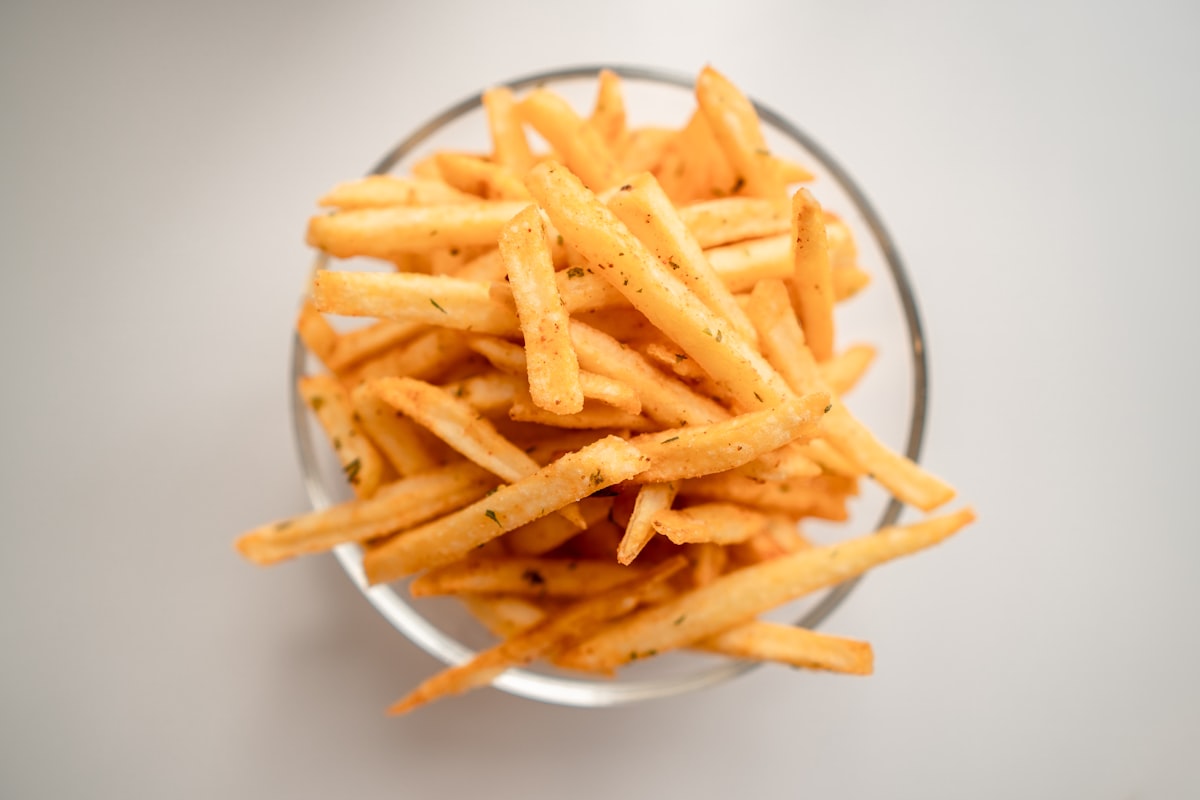
There Is No Mystery Here
When people try the fries at one of our events, the first question is usually some version of "what do you put in these?" Like there's a secret spice blend or some proprietary technique we're protecting. Honestly, the answer is pretty simple. It's not a mystery ingredient. It's just doing every step correctly when most trucks cut corners on at least one of them.
I want to break down exactly what we do and why it produces a different result. Not as a marketing pitch, but because if you're booking a food truck for your event and evaluating options, you should understand what separates a great fry from a mediocre one. The specifics matter.
It Starts With the Potato, Not the Fryer
Most food trucks use frozen fries. I get why. Frozen fries are consistent, they don't require labor to prep, they have a long shelf life, and they're cheap. You order a 50-pound case, you dump it in hot oil, done. For a truck trying to move volume and minimize kitchen complexity, frozen makes a lot of operational sense.
The problem is that a frozen fry is already a compromised product before it hits the oil. It's been processed, par-cooked, frozen, and packed. The potato's natural starches have been disrupted. The moisture content is off. No matter how good your oil is or how hot your fryer runs, you're working with a starting ingredient that has been engineered for consistency and shelf stability, not flavor.
We hand cut every fry. That means whole potatoes, cut to a specific thickness on the truck, every service. It takes more time and more labor. But you're starting with an actual potato, which means the sugars caramelize properly, the interior texture cooks right, and the exterior gets genuinely crispy instead of just firm.
There's no shortcut that makes frozen fries taste like hand cut ones. The starting material is different. That's the whole game.
The Oil Is Doing More Work Than You Think
We fry in beef tallow. This is the thing people ask about the most once they taste the fries, and it deserves a real explanation rather than just "it's better."
Beef tallow is rendered beef fat. It was the standard frying medium in American restaurants and fast food until the late 1980s and early 1990s, when a campaign against saturated fats pushed the industry toward vegetable and seed oils. McDonald's famously switched from tallow to vegetable oil in 1990. The flavor of their fries changed noticeably, and a lot of people who grew up in that era still remember what the old ones tasted like.
What tallow does differently is layered. First, the smoke point is higher than most vegetable oils, which means you can run the fryer hotter without burning the oil. Hotter oil means faster moisture evaporation from the potato's surface, which means a crispier exterior. Second, tallow is a saturated fat, which means it doesn't absorb into the food as readily as polyunsaturated vegetable oils. A fry cooked in tallow is actually less greasy than one cooked in canola or soybean oil, even though that sounds counterintuitive. Third, there's the flavor. Beef tallow carries subtle savory compounds that coat the outside of the fry and create that deep, almost beefy richness you can't manufacture any other way.
We source our tallow specifically for quality. This isn't commodity beef fat. The flavor profile matters and we treat it like any other key ingredient on the menu.
The Double Fry Is Non-Negotiable
Here's where a lot of otherwise good fry operations fall short. Single frying produces an acceptable fry. Double frying produces a great one. The technique is straightforward but the timing has to be right.
The first fry happens at a lower temperature, around 325 degrees Fahrenheit. The goal here is to cook the potato all the way through. Low and slow, essentially. The fry comes out pale and soft at this stage. It looks undercooked because it is, intentionally.
The second fry happens at a higher temperature, around 375 to 400 degrees. Now you're not cooking the interior, you're creating the crust. The high heat drives off the surface moisture extremely fast, which is what generates that audible crunch when you bite into it. The interior is already fully cooked, so it stays fluffy instead of becoming dense or gummy.
When you fry a potato at a single temperature trying to accomplish both tasks at once, you end up with a fry that's either overcooked on the outside before the inside is done, or fully cooked inside with a soft, pale exterior that never gets properly crispy. You're fighting physics trying to do two different jobs at one temperature.
Seasoning Is Applied at the Right Moment
This sounds like a small thing but it's not. Seasoning applied to a fry while it's still hot and fresh out of the oil adheres completely differently than seasoning applied to a fry that's been sitting. Salt, in particular, draws moisture. Apply it to a hot fry immediately out of the fryer and it bonds with the crust. Apply it three minutes later and you're just shaking salt onto a surface that won't hold it.
We season immediately after the second fry. Every batch. No exceptions. The seasoning blend itself is also not generic. We worked on it specifically to complement tallow-fried potatoes, which have a richer, more savory base note than vegetable-oil fries. The balance is different.
Made to Order at Events Is the Whole Point
All of the above is moot if the fries sit in a heat lamp for ten minutes before they reach your guest. This is actually where a lot of catering operations fall apart, including trucks that do everything else right. Volume pressure at an event creates the temptation to batch fry and hold. You make 50 portions at once, you keep them warm, you hand them out as guests come through.
We don't do that. Every order is made when it's ordered. Yes, this requires more operational discipline and it puts more pressure on our service line. But a fry that goes from the fryer basket to the guest's hand in under 90 seconds is a fundamentally different eating experience than one that's been sitting in dry heat for ten minutes. The crust softens. The interior gets gummy. The flavor flattens out. You spent all that effort on technique and ingredient quality and then degraded the product at the last step.
At Germantown Charity Horse Show, at corporate lunches out in Brentwood, at weddings in The Gulch, the same standard applies. Made to order means made to order. We structure our service flow around it.
The Sum Is Greater Than the Parts
Any one of these elements by itself produces a marginal improvement. Hand cut fries in mediocre oil, single fried and seasoned late, are still better than frozen fries but not dramatically so. Tallow-fried frozen fries are better than vegetable oil frozen fries, but the starting material is still a ceiling. The reason Bag Lady's fries hit different is that all five of these things happen together, every single time.
That's the actual answer to "what do you put in these." Nothing secret. Just no corners cut.